the
CAPACITY
Consortium
Have you ever...
You're not crazy. You're not alone. And there's a framework for what comes next.
Five talks. One framework. A new conversation.
Something broke
We flooded organizations with the language of therapy — emotional safety, trauma-informed leadership, holding space — and expected it to make things better. In many ways, it made things worse.
This keynote is about how well-intentioned psychological frameworks migrated from the therapy room to the boardroom, what got lost in translation, and what it's actually costing your organization.
Dr. Melissa Briggs-Phillips is a clinical psychologist who has spent over two decades on both sides of this equation — treating the people these systems were designed to help AND watching those same systems paralyze the organizations trying to implement them. She introduces the Behave Forward Framework — a clinically grounded operating system for how your culture talks about emotions, defines accountability, and builds the kind of capacity that wellness programs were supposed to create but didn't.
This is the macro conversation — the one about your systems, your language, and your culture. It's the conversation your leadership team has been having in private. It's time to have it out loud.
Best for: Annual conferences, leadership summits, HR and organizational development events, culture-focused offsites
Every leadership program teaches you to "manage stress" and "build resilience." Almost none of them tell you the truth: the pressure doesn't go away. The leaders who thrive aren't the ones who've eliminated discomfort — they're the ones who've learned to execute inside of it.
If "The Capacity Crisis" is the macro conversation — what's broken in our systems — this is the personal version. This is what it looks like inside the individual leader who has to perform within the pressure, not after it passes.
This keynote introduces the Behave Forward Framework at the personal level — a psychologically rigorous model that treats thoughts, feelings, and body signals as data on a dashboard, not commands to obey. You'll leave with a fundamentally different understanding of why traditional coaching falls short, what high-capacity leadership actually requires, and how to build the kind of psychological flexibility that shows up where it matters most: in behavior.
Best for: Executive retreats, C-suite development, high-performer audiences, sales and performance-driven organizations
You've been coached. You've been mentored. You've read the books, attended the retreats, and still — something grinds.
This talk is not about leaning in, finding balance, or discovering your authentic leadership voice. It's about the specific psychological dynamics that high-performing women navigate that nobody names out loud: the identity cost of competence, the impossible math of being simultaneously strong and soft, and why the wellness industry's version of "self-care" was never designed for someone operating at your level.
Dr. Melissa takes on imposter syndrome, queen bee dynamics, and emotional labor through a clinical lens — then offers something most talks don't: a framework for what to actually do about it.
Best for: Women's leadership events, industry conferences, professional development for women in male-dominated fields
Every organization in America is measuring, monitoring, and micromanaging psychological safety. They've built surveys around it, hired consultants to audit it, and trained managers to protect it. There's just one problem: it's not working. And the research says they're investing in the wrong psychology entirely.
Psychological safety — as originally defined by Amy Edmondson — was a narrow, specific research concept about team learning behavior. What it's become is something else entirely: an organizational entitlement to comfort, a metric that punishes honesty, and a framework that confuses "I feel uncomfortable" with "I am unsafe."
Meanwhile, a 2022 meta-analysis identified psychological flexibility as the single most important predictor of mental health, performance, and well-being — across every population studied. Not safety. Flexibility.
This keynote makes the case for retiring the old playbook and introduces what should replace it:
One protects people from discomfort. The other equips people to move through it. This isn't wellness. This is the upgrade your organization has been waiting for.
Best for: HR conferences, leadership development, culture transformation initiatives, annual kickoffs, organizations rethinking their wellness strategy
Men are being squeezed from both sides — perform like it's 1985, communicate like it's 2025. Lead decisively but collaboratively. Be strong but not intimidating. Be confident but not dismissive. Take charge but don't take up too much space.
The result? High-performing men are going quiet. Not because they have nothing to say, but because the cost of saying the wrong thing has never been higher.
You know walking pneumonia — sick enough to be sick, functional enough that nobody notices? Men are dealing with the psychological equivalent every day. Walking depression doesn't look like sadness. It looks like irritability, cynicism, withdrawal, a shorter fuse, a longer pour. It looks like a guy who's crushing it on paper and quietly falling apart underneath. Most men don't recognize it because nobody taught them what it looks like in a man. This talk does.
Here's the good news: the research says men don't need to process their feelings endlessly. They need to name them accurately. Affect labeling — the clinical skill of putting a precise word on what you're experiencing — is one of the most powerful emotional regulation tools in the research. It takes seconds, not sessions. Name it, know it, move. Nobody is asking you to sit in a circle. We're asking you to get precise about what's driving your behavior so you can choose what happens next.
The wellness industry told men that stoicism is toxic. But stoicism isn't suppression — suppression is pretending you don't feel it. Stoicism is feeling it and choosing your behavior anyway. That's psychological flexibility. The pressure from both sides isn't going away. The question is whether you build the capacity to perform inside it — or keep code-switching until you don't recognize yourself.
"Every man in this room has rehearsed a sentence in his head, decided it wasn't worth the risk, and stayed quiet. That's not leadership. That's survival. And there's a difference."
Best for: Executive retreats, leadership development, industries with predominantly male leadership, companion booking with "Both Hands Full"
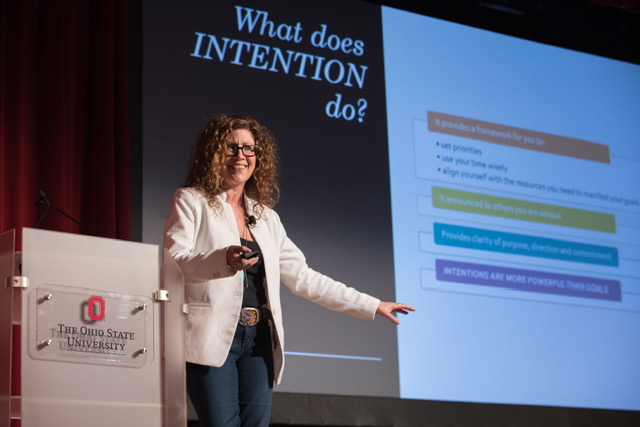
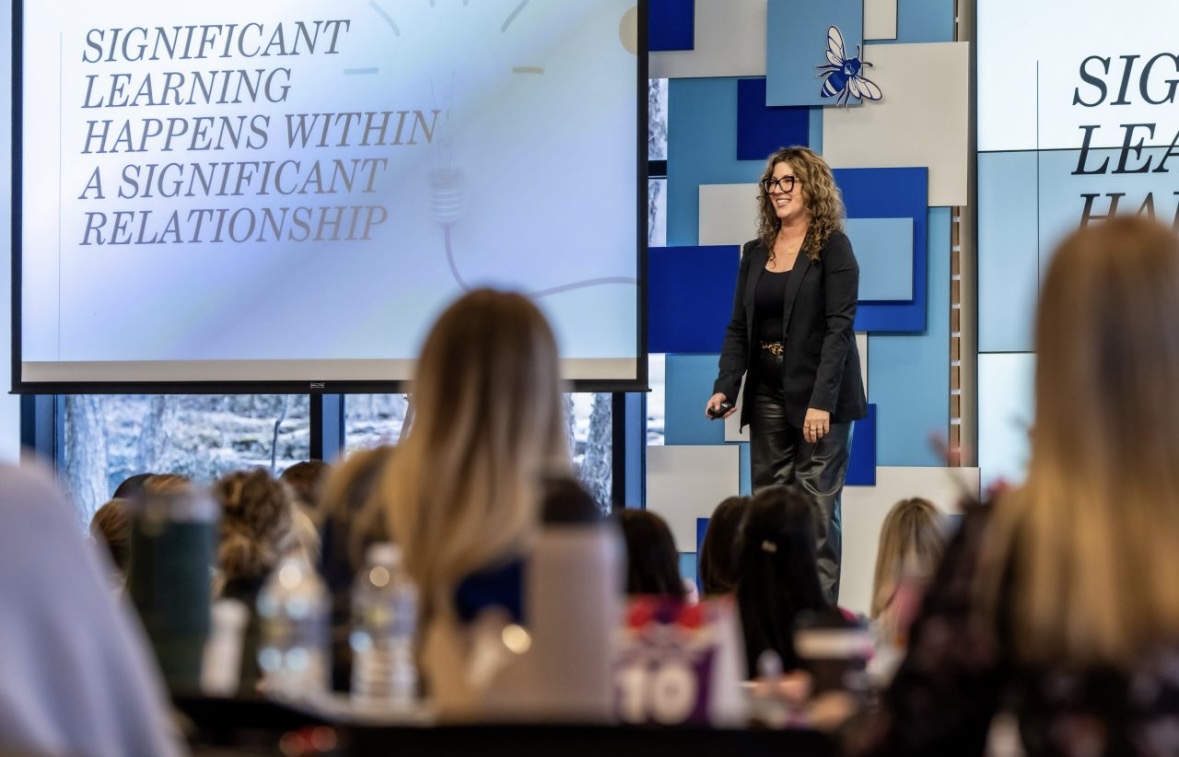
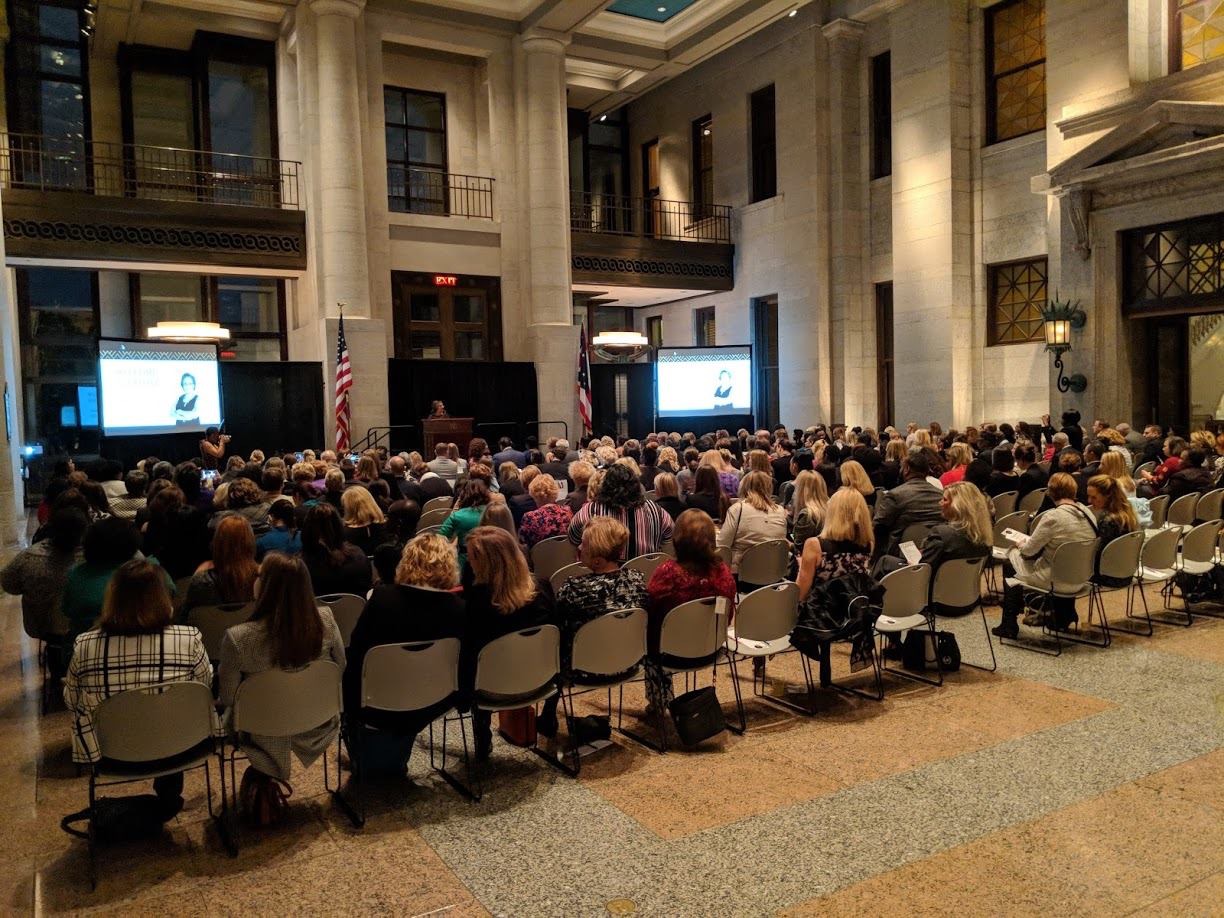
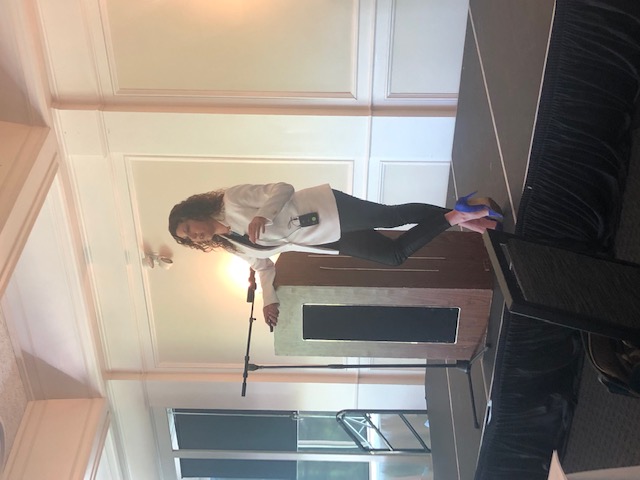










Executive Psychology Services
with the Behave Forward Framework
Her clients have made, moved, or managed over a billion dollars. They chose a clinical psychologist. What about you?
Most coaching starts with tactics. Most counseling stays in feelings. Neither one, on its own, moves the needle for leaders operating under real pressure.
Capacity Coaching lives in the space between — where the internal work is rigorous, but it always points toward observable change in how you lead. This is not life coaching. This is not therapy dressed up in business language. This is executive psychology: clinical depth meets operational credibility, designed for people who want to do the internal work without losing momentum.
Why a Psychologist — Not Just a Coach
The benefit of working with a clinical psychologist is access to behavioral health expertise that most coaches simply don't have. Leaders don't operate in a vacuum — family history, trauma, relationship stress, undiagnosed depression, burnout and grief, challenged sleep and substance use — these show up in the boardroom whether you name them or not. Dr. Melissa screens for the things traditional coaching misses, and builds a foundation that actually holds under pressure.
The work looks different for every leader.
Here is a sample of what we may work on together:
Behave Forward
The Behave Forward Framework emerged from decades of clinical work and organizational leadership. It treats thoughts, feelings, and body sensations as data — not directives — and positions behavior as the only contract we actually have with each other.
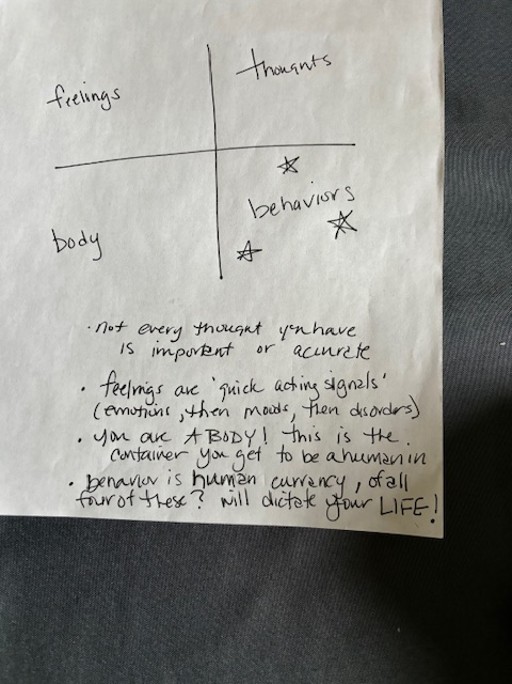
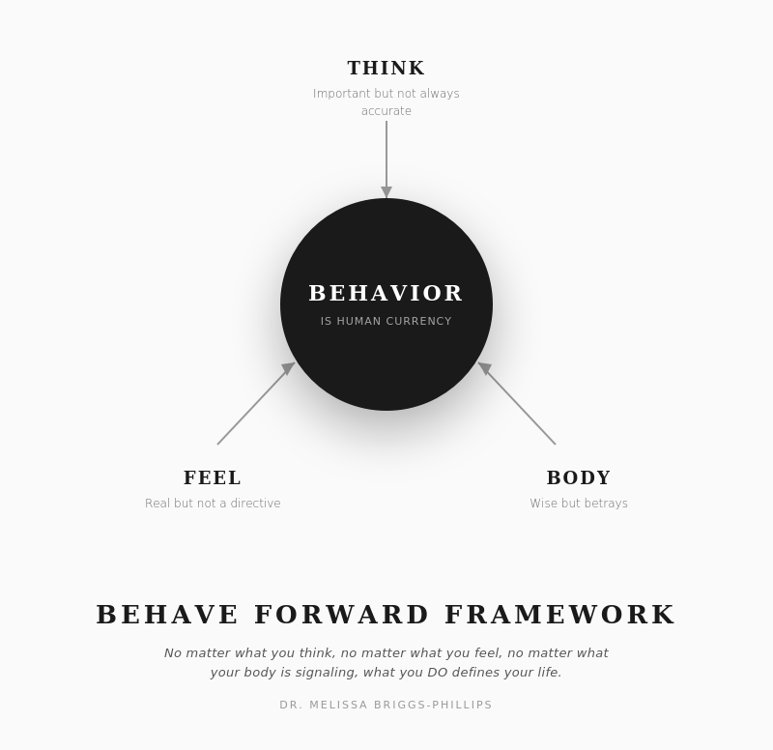
Drawn in a session. Kept by a client. Used for years. Now it's a framework.
Think
Important but not always accurate. Your thoughts are data on a dashboard, not commands to obey.
Feel
Emotions are real, but not always proportional or important. (Yep, read that again.)
Body
Wise but betrays. Your racing heart is giving you information. Sometimes it's wisdom. Sometimes it's a false alarm.
Behavior
Is human currency. This is the only thing that actually moves your life and your leadership forward.
Question what you think. Know what you feel. Honor your body. Commit to act.
The goal isn't comfort. It's capacity.
Clients: Executives, entrepreneurs, high-performing professionals, couples, and organizations.
Format: Sessions proceed at the pace and frequency we determine together. No long-term contracts required.
Delivery: In-person or virtual via encrypted video platform.
Office: 5003 Horizons Dr, Suite 210, Columbus, OH 43220
human performance language.
Your organization has been running on outdated software. Self-care. Work-life balance. Psychological safety. Time management. We meant well, but it is not working.
The Behave Forward Framework is the upgrade. Four modules, one operating system, built on the life-changing skill of psychological flexibility.
Weekly
One module per week. Momentum builds fast.
Monthly
One module per month. Time to practice and embed between sessions.
Quarterly embedding
One module per quarter with practice and accountability in between.
One-day immersive
Full curriculum delivered in a single intensive day.
It needs an operating system upgrade.
Dr. Melissa Briggs-Phillips

Dr. Melissa Briggs-Phillips is a clinical and consulting psychologist more interested in what works than trading in jargon.
Her career path has been circuitous. DA's office. Research Director. Executive Director. Chief of Staff. Innovation Center. Adjunct Professor. Founder. The through-line? Seeking solutions and service to others over self-importance.
In 2015 she opened Next Generation Behavioral Health to teach the life-changing power of psychological flexibility: the capacity to behave forward toward your very best next. The longer she worked with high-performing professionals, the more she saw the limits of both traditional therapy and traditional coaching. Therapy often over-indexed on feelings without connecting them to leadership behavior. Coaching often jumped to tactics without doing the deeper dive that makes change last. She built her practice for people who want to do the internal work without losing momentum.
Her clients include executives, entrepreneurs, high-performing professionals, couples, and organizations.
In 2023 she partnered with an anesthesiologist to open MiNDSET Integrated Ketamine Care, because she wants to be on the front edge of real solutions. Psychedelic therapies and interventional psychiatry are the most hopeful developments in mental health in years — and she intends to be part of it.
The Behave Forward Framework emerged from decades of clinical work and organizational leadership. Question what you think. Know what you feel. Honor your body. Commit to act.
The goal isn't comfort. It's capacity.
The Capacity Consortium is her latest build.
Her clients call her "Dr. M." She's a psychologist, partner, parent, and unapologetically pet-obsessed.
Two ways in.
The Newsletter
Weekly frameworks, research, and the kind of thinking you won't find in a wellness brochure.
Subscribe on SubstackBook Club
Not Too Much.
Mostly Listen.
Monthly discussions of the books, research, and ideas shaping this conversation. Not a self-help book club.
Get in touch to joinQuestions we hear — and the honest answers.
Let's talk about what your
organization actually needs.
In-person and virtual delivery. Fully customizable to your audience.
Columbus, Ohio
LINKEDIN ↗